

AUTOMOTIVE, BUS, RV, AERONAUTICAL, FURNITURE
 Why Using an A2LA Accredited Laboratory Matters for Your Testing and Calibration Confidence in Every Test Result Starts with Accreditation Whether you're validating automotive components, qualifying aerospace materials, certifying medical devices, or calibrating critical laboratory equipment, the quality of your test data is only as good as the laboratory performing the work. For manufacturers, inaccurate
 One of the barriers to entering material testing in your lab is financing. With scarcity of limited resources, you are forced to have your testing done by outside, third-party services. You lose control over the process and have to trust someone else. At Schap, we understand business finances. That's why we offer alternatives. If you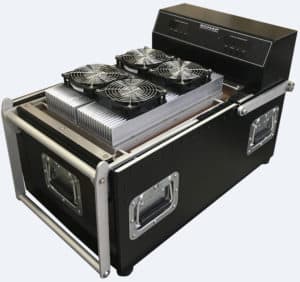
Revolutionize your automotive fog testing with the SCHAP Dry Fog Testerthe cleanest, smallest, and safest solution on the market. Say goodbye to hazardous thermal fluids that create messes and pose safety risks for your technicians. Our innovative Dry Fog Testing System not only challenges the competition in size and safety but also offers significant cost
 Understanding Colorfastness Testing with the Schap Gakushin Tester How the JIS L0849 Standard Helps Ensure Durable, Fade-Resistant Textiles In today's automotive, aerospace, furniture, apparel, and technical textile industries, appearance is every bit as important as performance. Consumers expect fabrics to retain their original color throughout years of use—even after repeated rubbing, cleaning, and exposure to
 Fred Barwick: The Educator Who Helped Standardize Automotive Fog Testing How one industry expert helped laboratories around the world perform more accurate, repeatable, and reliable fogging tests. For today's automotive testing laboratories, fogging testing is simply part of doing business. Whether evaluating instrument panel materials, seat fabrics, adhesives, foams, coatings, or plastic trim, engineers routinely
 The History of the Wyzenbeek Abrasion Tester: Why Is It Called the "Wyzenbeek" Test? When engineers and textile laboratories discuss fabric durability, one name appears repeatedly: the Wyzenbeek Abrasion Tester. For more than a century, the Wyzenbeek method has been one of the primary standards for evaluating the abrasion resistance of upholstery fabrics used in
 How Hart Scientific and Fluke Raised the Standard for Dry Fog Testing Equipment The Evolution of Automotive Fogging Test Technology Automotive interior fogging testing has become one of the most important material qualification procedures for modern vehicle manufacturers. As dashboards, instrument panels, adhesives, plastics, foams, textiles, and coatings are exposed to elevated temperatures, they release
- How Schap Specialty Machine Built Upon the Hart Scientific Legacy Continuing the Evolution of Dry Fog Testing Few laboratory tests demand the level of thermal precision required for automotive fogging evaluations. Whether testing interior plastics, textiles, foams, adhesives, leather, or coatings, the reliability of the data ultimately depends on one critical factor: repeatability. Over the
 FMVSS 207 & FMVSS 210 Seat Belt Anchorage Testing: Why FAD1 and FAD2 Are Transforming Compliance Testing By Schap Specialty Machine, Inc. For automotive OEMs, Tier 1 seat manufacturers, and accredited automotive testing laboratories, demonstrating compliance with FMVSS 207 (Seating Systems) and FMVSS 210 (Seat Belt Assembly Anchorages) is one of the most critical structural
 Fogging Test Glass Plates: A Critical Consumable for Automotive Fog Testing When automotive interior materials are evaluated for fogging, the glass plate used in the test may appear to be a simple piece of laboratory glass. In reality, the fogging test plate is a precision test component and a critical part of the measurement system.


